
Everything You Need to Know About a Low-Cholesterol Diet
Cholesterol often takes center stage during routine checkups. It’s that one topic doctors revisit time and again, and for good reason. While some cholesterol supports good health, too much of the wrong kind can put the heart at risk. Understanding how it all works is the first step toward protecting long-term heart health.
The conversation around cholesterol can feel confusing. Many people still believe that eating foods rich in cholesterol automatically raises cholesterol in the blood. But nutrition science has moved forward. Today, experts agree that dietary cholesterol and blood cholesterol are not as directly linked as once believed.
Understanding the Basics of Cholesterol

Freepik | brgfx | Cholesterol is vital for cell function and hormones, but high “bad” LDL levels pose a risk.
Cholesterol plays a vital role in the body. It helps build cell membranes, supports hormone production, and even assists in making vitamin D. Yet, balance is key. The body naturally produces cholesterol, and it only becomes a problem when levels of LDL, often labeled the “bad cholesterol”, rise too high.
Hector Perez, M.D., a board-certified surgeon, explains that while cholesterol is essential, too much LDL can create plaque buildup in arteries, restricting blood flow and increasing the risk of heart disease. This is why doctors often suggest a low-cholesterol diet to manage heart health.
Registered dietitian nutritionist Kelsey Lorencz notes that most people don’t need to worry about eating foods high in cholesterol, like eggs or shrimp, because they have little impact on blood cholesterol levels. However, some people are more sensitive and may benefit from reducing dietary sources.
Dietary vs. Blood Cholesterol
It’s easy to mix up the two, but dietary cholesterol comes from food, while blood cholesterol circulates through the body. Dr. Perez explains that the liver produces most of the body’s cholesterol, adjusting production based on intake. When someone eats more cholesterol, the liver produces less, and when intake drops, it compensates by making more.
That means eating an egg for breakfast doesn’t automatically raise cholesterol levels in the blood. The real concern lies in saturated and trans fats, which can push LDL levels up while lowering HDL, the “good cholesterol” that protects the heart.
What Exactly Is a Low-Cholesterol Diet?
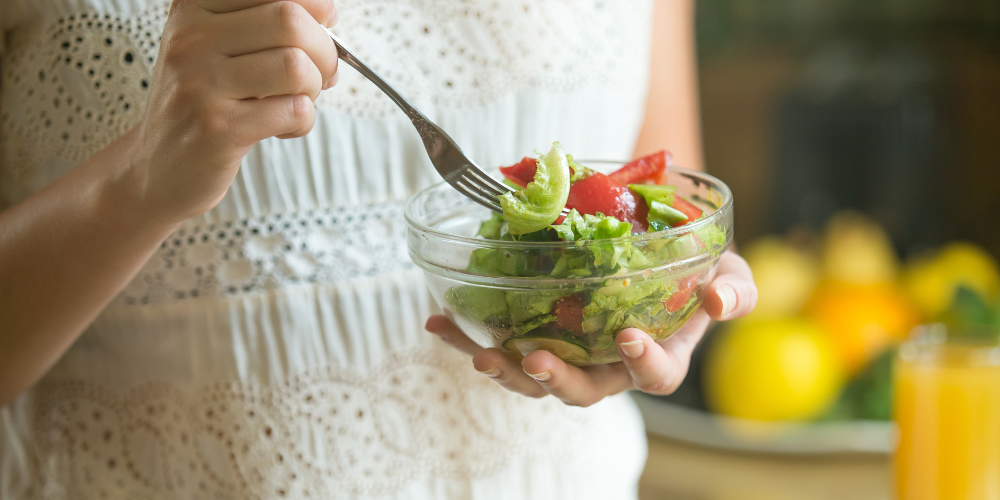
A low-cholesterol diet focuses on foods that support healthy cholesterol balance. It encourages more fiber, lean proteins, fruits, vegetables, and whole grains, while limiting foods that contain saturated or trans fats.
Lorencz explains that people following this diet should reduce intake of foods like red meat, full-fat dairy, liver, and shellfish. These items can fit in moderation, but the goal is to keep cholesterol and saturated fat low without sacrificing nutrition.
Plant-based diets often naturally follow this pattern. Vegetarians and vegans typically show lower LDL levels and a reduced risk of heart disease because their meals rely on plant proteins, nuts, seeds, and whole grains.
Foods to Limit or Avoid
Keeping cholesterol in check doesn’t mean eliminating entire food groups. It’s about moderation and awareness. A few foods that tend to raise LDL levels include:
1. Red and processed meats like bacon, sausage, and beef
2. Full-fat dairy such as cream, cheese, and butter
3. Deep-fried or fast foods high in trans fats
4. Baked goods like pastries, doughnuts, and cookies loaded with saturated fats
Swapping these for healthier choice, such as olive oil instead of butter, or grilled fish instead of fried chicken, can make a significant difference.

Freepik | To lower LDL limit foods like bacon, cheese, deep-fried items, and high-fat cookies.
Who Benefits Most from a Low-Cholesterol Diet
While anyone can follow a heart-healthy eating pattern, some individuals gain extra benefits. People with a family history of heart disease, diabetes, or obesity may see improved lab results and reduced risk factors after adopting a low-cholesterol diet.
Dr. Perez emphasizes that such a plan doesn’t have to feel restrictive. “A low-cholesterol diet is fairly easy to follow,” he says. “It’s about being mindful of choices and ensuring the body still receives enough nutrients.”
That means choosing lean proteins like poultry or fish, plenty of colorful produce, and fiber-rich grains like oats and quinoa. Over time, these habits can help stabilize cholesterol levels and protect cardiovascular health.
Common Myths About Cholesterol and Food
One of the biggest misconceptions is that all cholesterol is harmful. HDL cholesterol actually helps remove excess cholesterol from the bloodstream. Another myth is that avoiding all fats is necessary to lower cholesterol. Healthy fats, like those found in avocados, nuts, and olive oil, are beneficial for heart health and should stay in the diet.
Also, not everyone reacts the same way to dietary cholesterol. Some people, known as “hyper-responders,” may see a rise in blood cholesterol after eating foods like eggs or shellfish, while others experience no change at all. Regular blood tests help identify which group someone falls into.
Simple Habits That Support Heart Health
Daily habits can greatly support a low-cholesterol diet and improve heart function. Regular physical activity boosts circulation and helps raise HDL cholesterol. Cutting back on alcohol, quitting smoking, and managing stress further contribute to better cardiovascular health.
Hydration also matters—drinking enough water supports circulation and helps the liver process cholesterol more effectively.
Creating a heart-healthy lifestyle takes time, but small, consistent changes make a big impact. Choosing olive oil instead of butter, opting for oatmeal, or adding more vegetables to meals are simple steps that quickly add up.
Consistency is key. As healthy habits become routine, cholesterol levels improve and the risk of heart disease decreases. A low-cholesterol lifestyle isn’t about restriction—it’s about supporting the heart and making steady progress toward long-term health.
More in Diet
-
`
 Here’s How Fat-Blocking Green Tea Microbeads May Aid Weight Loss
Scientists are exploring an innovative way to reduce fat absorption in the body—tiny edible beads made with green tea, vitamin E,...
September 12, 2025 -
`
 Why the Heart Is Slightly to the Left and Not Perfectly Centered
The heart is one of the most vital organs in the body, yet its placement often raises questions. Many assume it...
August 16, 2025 -
`
 Ozzy Osbourne’s Most Shocking and Beloved Pop Culture Moments
Few figures in rock history have carved out a legacy as vivid and unpredictable as Ozzy Osbourne. Beyond his groundbreaking work...
August 10, 2025 -
`
 Are Mono Diets Worth It – or Just a Dangerous Trend?
As summer brings on the pressure to slim down fast, the internet lights up with diet trends promising instant results. One...
August 3, 2025 -
`
 Why Motivation Is Essential for Sustainable Fitness Success
Motivation isn’t something that shows up when it’s convenient—it’s something that needs to be built, shaped, and sustained. Many people struggling...
July 27, 2025 -
`
 The Mystery of Human Body Parts That Science Still Can’t Solve
The human body is a patchwork of evolutionary choices, quirks, and mysteries. From skeletal structure to the tiniest gland, everything tells...
July 18, 2025 -
`
 Why a Mediterranean Diet and Exercise Slow Bone Loss in Seniors
Bone health isn’t just a concern for the elderly—it’s something that starts to matter the moment the body begins to lose...
July 12, 2025 -
`
 Want Better Memory? This Diet Could Help Keep Your Brain Sharp
Losing focus, memory lapses, or slower thinking—these aren’t just normal parts of aging. While cognitive changes do happen over time, lifestyle...
July 5, 2025 -
`
 The Truth About Health Tracking Apps and Their Impact on Wellness
Scroll through social media or browse the App Store, and you’ll likely spot dozens of health tracking apps. They promise everything—from...
June 29, 2025
You must be logged in to post a comment Login