
Low-Fat Vegan Diet May Lower Calorie Density and Lead to ‘Natural’ Weight Loss
Losing weight usually comes with familiar advice about smaller portions and fewer calories. A clinical trial suggests another approach may work without making people track every bite. Participants eating a low-fat vegan diet lowered the calorie density of their food by about 30%.
That change mattered because participants could still eat satisfying amounts of food. They consumed roughly the same weight of food while taking in fewer calories. Instead of shrinking their meals, they changed what filled their plates, and their body weight dropped during the 16-week trial.
The research came from a secondary analysis of a randomized clinical trial involving adults with overweight. Participants assigned to the low-fat vegan group could eat freely without prescribed calorie limits. They did not need to count calories or follow strict portion sizes.
The control group continued eating its usual diet without making specific dietary changes. Researchers then compared changes in food intake, calorie density, and body weight. The difference in calorie density between the groups became one of the most interesting findings.
Calorie density describes how many calories are packed into each gram of food. Foods rich in fat often contain more calories in a smaller amount. Foods containing plenty of water and fiber generally provide fewer calories for the same physical weight.
During the trial, dietary energy density fell substantially among people following the low-fat vegan diet. The researchers reported a reduction of roughly 30%. The control group’s dietary energy density stayed relatively stable during the same period.
Plant Foods Provided More Volume for Fewer Calories

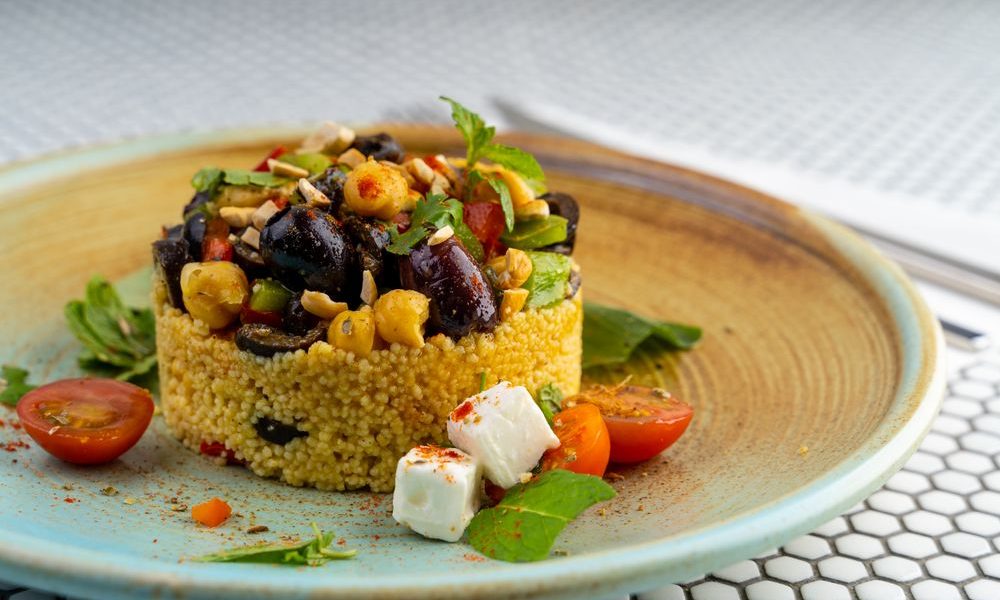
Loren / Pexels / The vegan group reduced daily calorie intake without receiving instructions to count calories.
Their energy intake fell by about 357 kilocalories per day more than the control group’s intake. Over time, that difference can become large enough to affect body weight.
Greater reductions in calorie density were also associated with greater weight loss. The relationship remained significant even after researchers accounted for changes in calorie intake. That finding suggests food composition and energy density deserve attention when studying how dietary patterns affect weight.
The diet focused heavily on fruits, vegetables, grains, and legumes. Participants avoided animal products such as meat, dairy foods, and eggs. They also kept added fats low, which further reduced the amount of energy packed into their meals.
Many plant foods naturally contain large amounts of water and fiber. Vegetables provide an obvious example because they can fill a plate while contributing relatively few calories. Beans and other legumes add more substance, along with fiber, carbohydrates, protein, vitamins, and minerals.
Fat contains about nine calories per gram, making it more energy dense than carbohydrate or protein. Foods containing large amounts of fat can therefore deliver many calories before the stomach feels physically full. Reducing high-fat foods can lower the calorie density of an entire meal.
Water and fiber work differently because they add weight and volume without adding many calories. A meal containing beans, vegetables, fruit, and cooked grains can occupy considerable space in the stomach. That physical volume can help create feelings of fullness before calorie intake climbs as high.
Context Still Matters, Though

Mo / Pexels / The findings make a strong case for paying attention to calorie density, but they do not prove that everyone needs a vegan diet to lose weight.
The study lasted only 16 weeks, which leaves questions about long-term adherence and weight maintenance.
The analysis also compared the vegan group with participants who made no dietary changes. It did not test the low-fat vegan approach against another structured weight loss diet. That limits conclusions about how it would perform against Mediterranean, higher protein, or other calorie-conscious eating patterns.
The research was conducted by investigators associated with the Physicians Committee for Responsible Medicine, an organization that promotes plant-based diets. That connection does not invalidate the findings, but readers should consider it when evaluating the research alongside independent studies.
More in Diet
-
`
 Ed Sheeran Opens Up About His Dramatic Weight Loss
Ed Sheeran didn’t just wake up fit in 2025. The 34-year-old English singer made it happen, one hard choice at a...
October 19, 2025 -
`
 New Research Shows You Can Cut Your Alzheimer’s Risk in Half With Lifestyle Changes
Lifestyle isn’t just about feeling good or staying fit. It is now one of the most powerful tools we have to...
October 5, 2025 -
`
 Is ‘Nature’s Ozempic’ Barberine Really Good For Weight Loss?
Weight loss is big business, and right now, all eyes are on berberine, a plant compound people are calling “nature’s Ozempic.”...
September 27, 2025 -
`
 Fat Jabs May Cure Cocaine Addiction and Boost Heart Health, New Study Finds
What if the same jab that helps you lose weight could also help you kick a cocaine habit? Sounds wild, but...
September 21, 2025 -
`
 Dwayne Johnson Shocks Fans With Dramatic Weight Loss Transformation
Dwayne “The Rock” Johnson stunned the crowd at the 2025 Venice Film Festival with a slimmer look that set social media...
September 20, 2025 -
`
 Here’s How Fat-Blocking Green Tea Microbeads May Aid Weight Loss
Scientists are exploring an innovative way to reduce fat absorption in the body—tiny edible beads made with green tea, vitamin E,...
September 12, 2025 -
`
 Why the Heart Is Slightly to the Left and Not Perfectly Centered
The heart is one of the most vital organs in the body, yet its placement often raises questions. Many assume it...
August 16, 2025 -
`
 Ozzy Osbourne’s Most Shocking and Beloved Pop Culture Moments
Few figures in rock history have carved out a legacy as vivid and unpredictable as Ozzy Osbourne. Beyond his groundbreaking work...
August 10, 2025 -
`
 Are Mono Diets Worth It – or Just a Dangerous Trend?
As summer brings on the pressure to slim down fast, the internet lights up with diet trends promising instant results. One...
August 3, 2025
You must be logged in to post a comment Login