
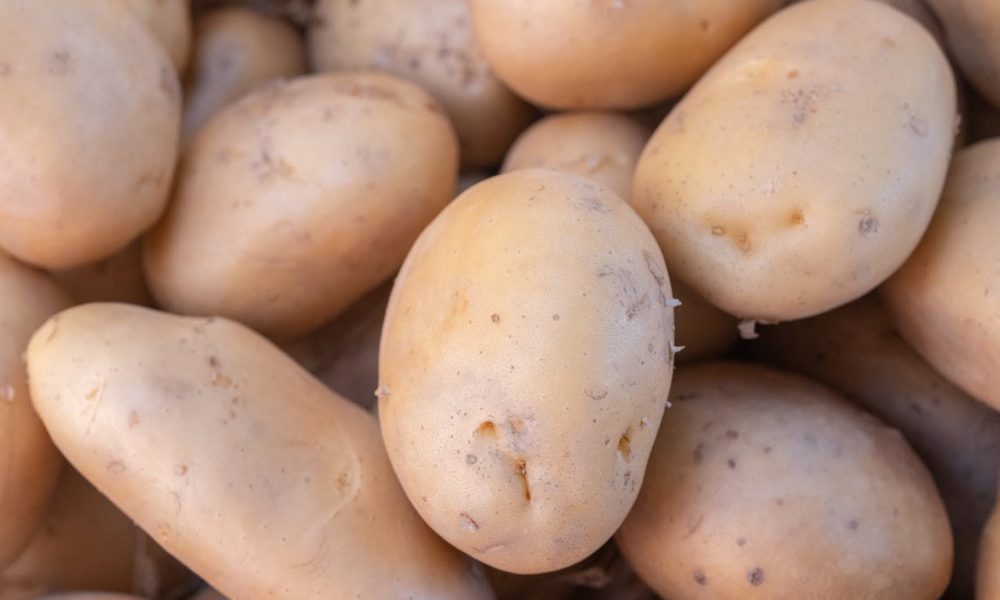
New Study Reveals Indigenous Andean People Have Genetically Adapted Potato-rich Diet
Potatoes have fed people in the Andes for thousands of years. Now, scientists say the crop may have shaped human biology in a major way. A new study published in Nature Communications found that Indigenous Andean populations developed genetic changes that helped them digest starch more efficiently.
The research focused on the AMY1 gene, which helps the body break down starch. Scientists discovered that Indigenous Peruvian Andean groups carry more copies of this gene than any other population studied so far. The findings point to a long history of adaptation tied directly to potatoes, one of the Andes’ most important foods.
Researchers from the University at Buffalo and UCLA co-led the project. They analyzed genetic data from 3,723 people across 85 populations around the world. The team found strong signs of natural selection in Andean groups dating back roughly 10,000 years. That timeline closely matches the early domestication of potatoes in the region.
This study gives scientists a clearer look at how food can shape human evolution. It also adds another layer to the story of the potato, a crop that helped build civilizations long before it became a global kitchen staple.
The Gene Behind Starch Digestion
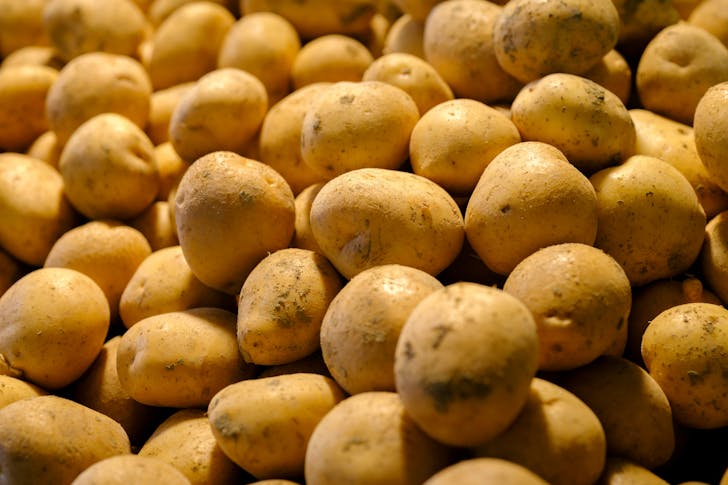
Engin / Pexels / The study, co-led by anthropologists and geneticists from the University at Buffalo and the University of California, Los Angeles (UCLA), provides a clear example of how human culture and diet can directly shape biological evolution.
The AMY1 gene controls the production of salivary amylase, an enzyme found in saliva. This enzyme starts breaking down starch as soon as food enters the mouth. People with more copies of the AMY1 gene usually produce more amylase, which helps process starch-rich foods faster and more efficiently.
That matters when a community depends heavily on crops packed with starch. In the Andes, potatoes have filled that role for thousands of years. They became a reliable food source in high-altitude environments where farming conditions can be harsh. Over time, the human body appears to have adapted alongside the crop itself.
Scientists found that Indigenous Andean populations showed the highest AMY1 copy numbers recorded in the study. That result stood out because the increase was much stronger than in populations with other starch-heavy diets. Researchers believe this happened because potatoes became central to survival in the Andes over many generations.
The study also found evidence of positive selection. That means people with more AMY1 copies likely had an advantage, helping them process food more effectively and possibly absorb energy more efficiently. Across thousands of years, those traits became more common within Andean populations.
Potatoes and Human Evolution Grew Together
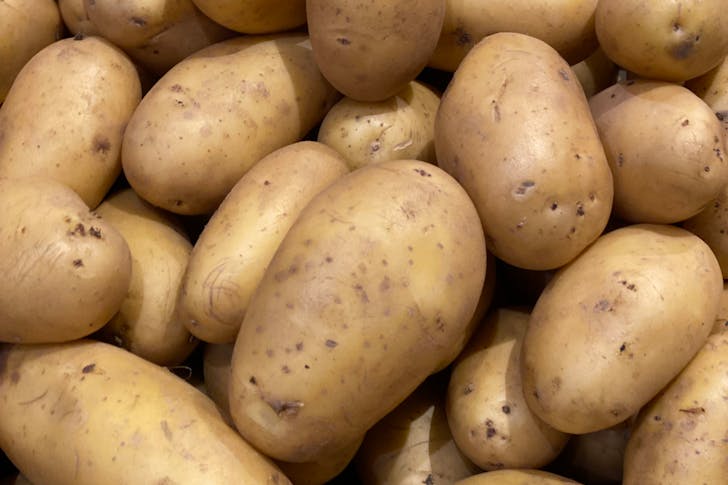
DRMK / Pexels / The Andes are the birthplace of the modern potato. Archaeologists believe people in the region began domesticating wild potato species around 10,000 years ago.
The new genetic evidence lines up closely with that history, creating a strong connection between agriculture and human adaptation.
This matters because it shows evolution is not some ancient process frozen in the distant past. Human biology can respond surprisingly fast to environmental and dietary changes. In this case, the spread of potato farming may have pushed natural selection to favor genes linked to starch digestion.
The findings also challenge the idea that all humans process food in the same way. Genetics can influence how efficiently different populations handle certain diets. That does not mean one diet works perfectly for everyone. Instead, it shows that food traditions and biology often develop side by side over long stretches of time.
Above all, the study highlights the deep relationship between Indigenous Andean communities and potato agriculture. Potatoes were not just another crop. They shaped daily life, survival strategies, and now, according to the evidence, even the human genome.
The Andes contain thousands of potato varieties. Indigenous farmers developed and preserved many of them across generations. Some potatoes grow in freezing conditions at high elevations where few other crops survive. That agricultural knowledge helped communities thrive in one of the world’s toughest farming environments.
More in Diet
-
`
 New Research Shows You Can Cut Your Alzheimer’s Risk in Half With Lifestyle Changes
Lifestyle isn’t just about feeling good or staying fit. It is now one of the most powerful tools we have to...
October 5, 2025 -
`
 Is ‘Nature’s Ozempic’ Barberine Really Good For Weight Loss?
Weight loss is big business, and right now, all eyes are on berberine, a plant compound people are calling “nature’s Ozempic.”...
September 27, 2025 -
`
 Fat Jabs May Cure Cocaine Addiction and Boost Heart Health, New Study Finds
What if the same jab that helps you lose weight could also help you kick a cocaine habit? Sounds wild, but...
September 21, 2025 -
`
 Dwayne Johnson Shocks Fans With Dramatic Weight Loss Transformation
Dwayne “The Rock” Johnson stunned the crowd at the 2025 Venice Film Festival with a slimmer look that set social media...
September 20, 2025 -
`
 Here’s How Fat-Blocking Green Tea Microbeads May Aid Weight Loss
Scientists are exploring an innovative way to reduce fat absorption in the body—tiny edible beads made with green tea, vitamin E,...
September 12, 2025 -
`
 Why the Heart Is Slightly to the Left and Not Perfectly Centered
The heart is one of the most vital organs in the body, yet its placement often raises questions. Many assume it...
August 16, 2025 -
`
 Ozzy Osbourne’s Most Shocking and Beloved Pop Culture Moments
Few figures in rock history have carved out a legacy as vivid and unpredictable as Ozzy Osbourne. Beyond his groundbreaking work...
August 10, 2025 -
`
 Are Mono Diets Worth It – or Just a Dangerous Trend?
As summer brings on the pressure to slim down fast, the internet lights up with diet trends promising instant results. One...
August 3, 2025 -
`
 Why Motivation Is Essential for Sustainable Fitness Success
Motivation isn’t something that shows up when it’s convenient—it’s something that needs to be built, shaped, and sustained. Many people struggling...
July 27, 2025
You must be logged in to post a comment Login