
What’s the Best Diet for Living to 100? You Might Be Surprised
People now live far longer than they did decades ago. In the 1940s, men rarely reached their mid-50s. Today, life expectancy pushes toward the mid-70s. Yet centenarians, those who reach 100, still stand apart. So what truly drives longevity?
A new longevity diet study suggests the answer may surprise anyone who believes strict plant-based eating guarantees a longer life.
Researchers analyzed data from more than 5,200 Chinese adults aged 80 and older. China ranks among the countries with the highest number of centenarians, so the population offered strong insight. Participants reported their eating habits in 1998, and researchers tracked outcomes through 2018.
They divided diets into clear categories: Omnivores, Pesco-vegetarians, Ovo-lacto-vegetarians and Vegans.

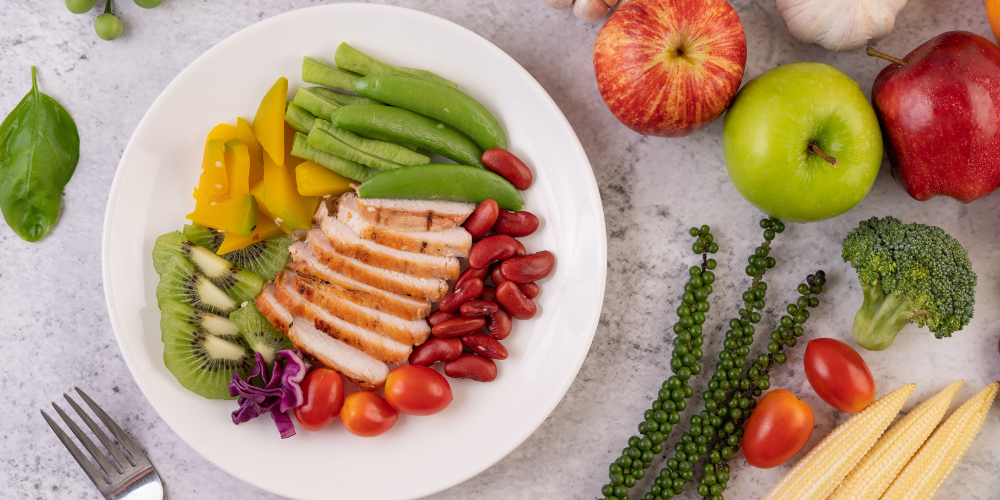
Freepik | Omnivorous and flexible vegetarian diets outperformed veganism in reaching the 100-year mark.
By the end of the study, 1,459 participants reached 100. Interestingly, most centenarians followed an omnivorous diet. Meanwhile, strict vegetarians and vegans showed lower odds of hitting that milestone. However, pesco-vegetarians and ovo-lacto-vegetarians performed better than vegans, which added nuance to the findings.
At first glance, the results challenged long-standing advice that favors plant-based eating for longevity. Yet the data required deeper examination.
Why Body Weight Changes the Story
Body weight played a major role in the longevity diet study. Vegetarians who fell below a healthy weight faced lower chances of becoming centenarians. However, vegetarians within a normal body mass index range showed no reduced survival odds.
This distinction matters.
Underweight older adults face higher risks of frailty, falls, weakened immunity, and early death. In other words, malnutrition, not plant avoidance, likely drove poorer outcomes. Family physician Dr. David Cutler explained that the real lesson centers on proper nourishment, not strict dietary labels. Avoiding malnutrition should remain the priority.
Therefore, the debate shifts from “meat versus plants” to “adequate nutrition versus deficiency.”
The Role of Protein in Healthy Aging
Protein intake becomes increasingly important with age. As digestion efficiency declines, the body absorbs fewer nutrients. Consequently, older adults require nutrient-dense foods that deliver more value per calorie.
Registered dietitian Sonya Angelone noted that meat-eaters often consume higher levels of protein, vitamin B6, vitamin B12, zinc, and omega-3 fats. Additionally, animal proteins provide concentrated calories, which help older adults maintain weight.
However, experts do not promote heavy meat consumption without balance. Instead, they recommend thoughtful inclusion of high-quality protein sources such as: Fish, Eggs, Dairy, and Lean poultry.
Scott Keatley, a registered dietitian, emphasized that eliminating animal protein while already lacking calories or protein can worsen health outcomes. Still, he acknowledged the benefits of plant-forward eating. Greens, legumes, whole grains, and healthy fats continue to support heart health and metabolic stability.
Thus, the most effective longevity diet appears flexible rather than extreme.
What a Balanced Longevity Diet Looks Like

Freepik | Living to 100 depends more on eating balanced, varied meals that support changing needs than on following strict diet rules.
Experts consistently return to balance. Diets that support longevity often prioritize plants yet include nutrient-dense animal foods when needed, especially after age 70.
A strong longevity plan should include:
1. Adequate protein at each meal
2. High fiber from vegetables and whole grains
3. Healthy fats from fish, nuts, or seeds
4. Limited ultra-processed foods
Dr. Cutler reinforced that individuals can thrive with or without meat, provided they meet nutrient needs. The central focus should remain dietary variety and nutrient density.
A Smarter Way to Think About Living to 100
This longevity diet study does not dismiss plant-based eating. Instead, it emphasizes a practical reality: as people age, maintaining a healthy weight and getting enough protein become increasingly important. While plant-rich diets provide clear health benefits, overly restrictive eating without proper planning can lead to unintended nutritional gaps.
Research on centenarians shows they rarely follow rigid food rules. Rather than adhering to strict ideologies, they tend to eat a variety of foods and adapt their diets to their body’s changing needs.
Because aging affects metabolism, muscle mass, and nutrient absorption, nutrition strategies should evolve over time. Living to 100 is less about eliminating entire food groups and more about ensuring consistent, adequate nourishment.
Longevity is supported by balance — sufficient calories, adequate protein, and dietary variety — all tailored to the realities of aging.
More in Diet
-
`
 Are Mono Diets Worth It – or Just a Dangerous Trend?
As summer brings on the pressure to slim down fast, the internet lights up with diet trends promising instant results. One...
August 3, 2025 -
`
 Why Motivation Is Essential for Sustainable Fitness Success
Motivation isn’t something that shows up when it’s convenient—it’s something that needs to be built, shaped, and sustained. Many people struggling...
July 27, 2025 -
`
 The Mystery of Human Body Parts That Science Still Can’t Solve
The human body is a patchwork of evolutionary choices, quirks, and mysteries. From skeletal structure to the tiniest gland, everything tells...
July 18, 2025 -
`
 Why a Mediterranean Diet and Exercise Slow Bone Loss in Seniors
Bone health isn’t just a concern for the elderly—it’s something that starts to matter the moment the body begins to lose...
July 12, 2025 -
`
 Want Better Memory? This Diet Could Help Keep Your Brain Sharp
Losing focus, memory lapses, or slower thinking—these aren’t just normal parts of aging. While cognitive changes do happen over time, lifestyle...
July 5, 2025 -
`
 The Truth About Health Tracking Apps and Their Impact on Wellness
Scroll through social media or browse the App Store, and you’ll likely spot dozens of health tracking apps. They promise everything—from...
June 29, 2025 -
`
 New Study Reveals Alzheimer’s Affects the Entire Body
Most people associate Alzheimer’s with memory loss and cognitive decline, assuming its impact stays confined to the brain. But new findings...
June 21, 2025 -
`
 The One Simple Habit Mark Cuban Credits for His Success
Success doesn’t come from shortcuts or luck—it’s built on habits that stand the test of time. Mark Cuban, the outspoken billionaire,...
June 14, 2025 -
`
 Thinking of a Detox Diet? Read This Before You Start
Detox diets continue to be one of the most talked-about trends in the wellness space. Whether it’s juice cleanses, tea plans,...
June 8, 2025
You must be logged in to post a comment Login