
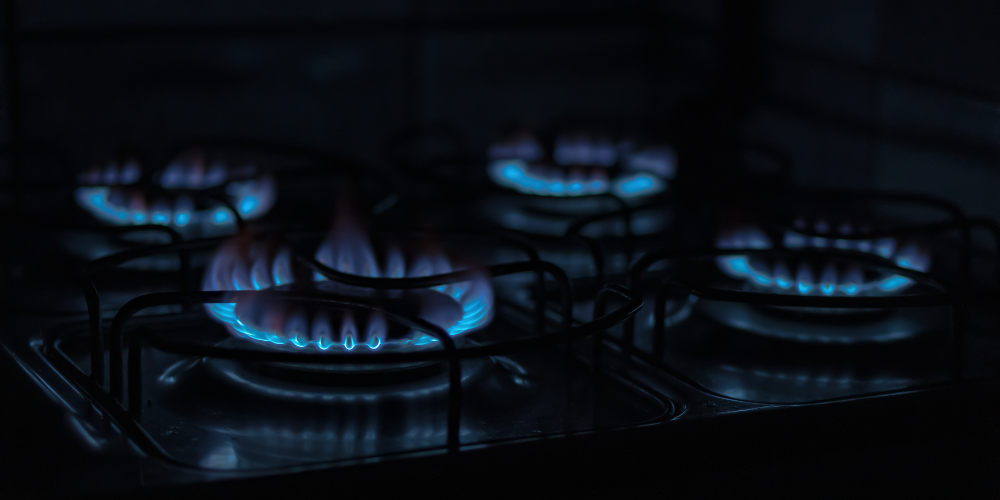
Is Your Gas Hob Putting Your Health at Risk? What New Research Reveals
Gas hobs remain a staple in many kitchens because they offer fast heat control and familiar cooking performance. However, new research has raised concerns about what may happen even after the flame goes out.
Experts now warn that some gas hobs may leak trace amounts of benzene while switched off, allowing the harmful chemical to collect indoors over time. That finding has sparked growing concern because benzene carries a well-established link to cancer.
A recent study from PSE Healthy Energy suggests that nearly one in 10 homes with gas hobs in parts of the UK may experience low-level leaks when the appliance is not in use. While the amount may seem minor, repeated exposure over many years could still affect long-term health.
The concern does not come from occasional cooking alone. Instead, the bigger issue centers on small leaks that continue silently in the background every day. Because kitchens are enclosed spaces, those emissions may linger, especially in homes with limited ventilation.
Why Benzene Exposure Matters
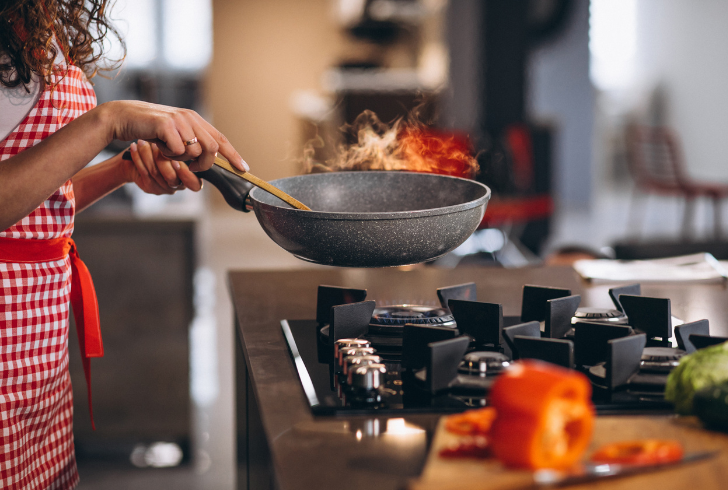
Freepik | While a single day of cooking is safe, the real danger is long-term exposure to slow gas leaks.
Benzene is not an ordinary household pollutant. Global cancer authorities classify it as a Group 1 carcinogen, which means there is strong scientific evidence showing that it can cause cancer in humans.
Medical researchers most often connect benzene to blood cancers, including leukemia and lymphoma. Once inhaled, the chemical can enter the bloodstream and interfere with DNA, which may damage healthy cells over time. That cellular damage explains why experts continue to monitor even low-level exposure closely.
Still, specialists stress that context is important. The danger from benzene exposure in the home does not compare to the risks associated with cigarette smoking or industrial chemical work. Instead, the possible increase in cancer risk from a leaking gas hob remains much smaller.
Even so, indoor air quality experts say the issue still deserves attention because long-term low exposure can gradually build into a meaningful environmental health concern.
Risk Comes From Time, Not One Event
A single day of cooking on a gas hob is unlikely to create any serious danger. The larger concern comes from repeated exposure over months and years.
This distinction matters because many homeowners may assume the risk comes only while cooking. In reality, experts say the more important issue may be the slow leakage that happens when the gas supply valve does not close perfectly.
Small valve leaks can continue around the clock. Because benzene is colorless, it cannot be seen. Its faint sweet smell also usually stays too weak for most people to notice. That makes long-term leaks especially difficult to identify without proper testing.
Health experts continue to emphasize that the statistical lifetime risk remains very low. Still, reducing avoidable exposure remains a smart choice for healthier indoor air.
How to Know if a Gas Hob Is Leaking
The most reliable way to confirm a benzene leak is through air testing. Experts recommend using a diffusion tube, which is placed in the kitchen for several weeks. During that time, the tube absorbs airborne chemicals and later goes to a lab for analysis. This method gives homeowners a much clearer picture of long-term exposure levels.
Although the test may cost more than a standard home check, it remains the only dependable way to measure benzene in the air.
Without testing, there are almost no visible warning signs. That is why homeowners with older gas hobs, recurring gas smells, or poor kitchen airflow may benefit most from checking indoor air quality.
Simple Ways to Lower the Risk
The good news is that several practical changes can reduce exposure without requiring immediate renovation.
1. Improve Everyday Ventilation
Better airflow remains one of the easiest ways to improve indoor air.
Opening a nearby window during and after cooking helps move pollutants out faster. In the same way, extractor hoods that vent directly outdoors can reduce combustion-related gases while the burner is active.
Still, experts note that ventilation works best during cooking rather than during slow leaks when the appliance is off. That means airflow helps, but it may not solve the full problem alone.
2. Consider Electric or Induction Upgrades
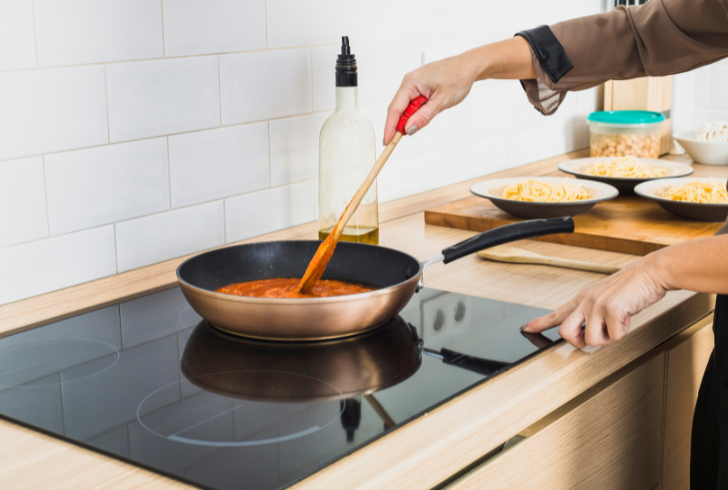
Image by Freepik | Electric or induction cooktops can help reduce benzene exposure in kitchens.
For the strongest long-term solution, experts recommend switching to electric or induction hobs during the next kitchen upgrade.
Research shows that electric cooktops release only a fraction of the benzene associated with gas appliances. Even better, induction hobs produce no detectable benzene, making them the cleanest option for indoor air quality.
Beyond reducing leaks, electric cooking also removes combustion gases created by burning fuel indoors. That makes the switch beneficial for both air quality and long-term peace of mind.
3. Choose the Right Air Purifier
Not every air purifier can capture benzene. Most standard units focus on dust and particles, which means gases simply pass through them. However, air purifiers with activated carbon filters can absorb organic compounds like benzene much more effectively.
The filter must be replaced regularly to stay effective. Otherwise, its ability to trap gases drops over time. For households that want an added layer of protection, carbon filtration can support cleaner kitchen air.
Although the research sounds alarming, experts continue to stress that the lifetime cancer risk from a leaking gas hob remains very small. The issue deserves awareness, not panic.
Simple habits such as better ventilation, periodic testing, carbon filtration, and future appliance upgrades can significantly improve indoor air quality.
Over time, these steady adjustments create a safer kitchen environment. Cleaner air supports better health, reduces unnecessary exposure, and gives homeowners practical control over a risk that stays manageable when handled early.
More in Body
-
`
 New Study Reveals Alzheimer’s Affects the Entire Body
Most people associate Alzheimer’s with memory loss and cognitive decline, assuming its impact stays confined to the brain. But new findings...
June 21, 2025 -
`
 The One Simple Habit Mark Cuban Credits for His Success
Success doesn’t come from shortcuts or luck—it’s built on habits that stand the test of time. Mark Cuban, the outspoken billionaire,...
June 14, 2025 -
`
 Thinking of a Detox Diet? Read This Before You Start
Detox diets continue to be one of the most talked-about trends in the wellness space. Whether it’s juice cleanses, tea plans,...
June 8, 2025 -
`
 Feeling Drained by Others? Try the “Let Them” Method
Letting go isn’t just a poetic idea or a line in a famous song—it’s a mindset that can completely reshape the...
May 31, 2025 -
`
 Caffeine in Blood May Influence Body Fat and Diabetes Risk, Study Finds
Caffeine is one of the most widely consumed substances worldwide, found in everything from coffee and tea to energy drinks and...
May 25, 2025 -
`
 Why More People in Japan Are Choosing the Solo Life—and Loving It
For years, being alone in Japan carried a silent stigma. Holidays like Christmas weren’t just about celebration—they were reminders of a...
May 16, 2025 -
`
 Gwyneth Paltrow Returns to Carbs After Years of a Strict Paleo Diet
Gwyneth Paltrow, a name long associated with clean eating and rigid wellness routines, is now embracing a more flexible approach to...
May 9, 2025 -
`
 How to Motivate Your Team Beyond Financial Incentives
High-performing teams don’t just appear out of nowhere—they’re built through trust, purpose, and a shared sense of direction. While money is...
May 2, 2025 -
`
 8 Foods That Help Build Muscle and Boost Workout Results
Gaining muscle isn’t only about lifting heavy or spending more hours at the gym. What really drives results is how well...
April 27, 2025
You must be logged in to post a comment Login